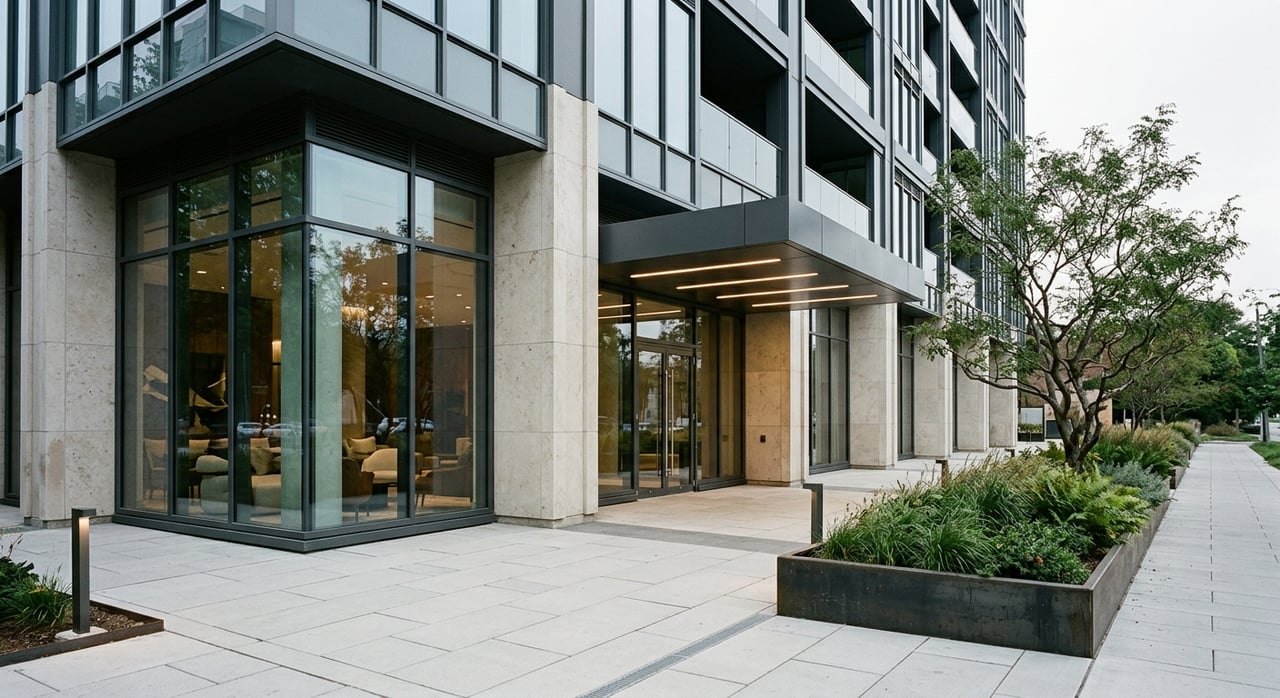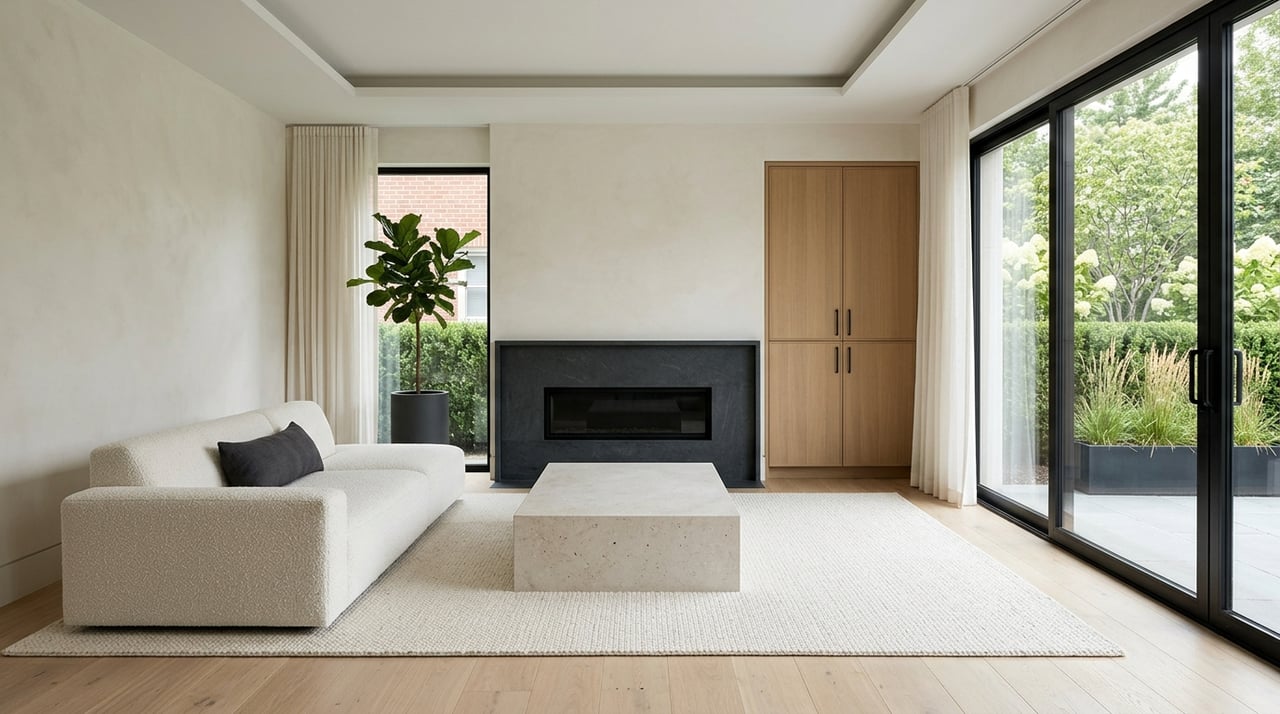
Thinking about a Hoboken waterfront condo but not sure which amenities are worth it? With views, quick PATH and ferry access, and full-service buildings, your options are strong. The right mix of features can elevate your lifestyle and your resale potential, yet it can also raise monthly costs. This guide helps you compare pools, gyms, rooftops, doormen, EV charging, pet amenities, and more, so you can match benefits to your budget and priorities. Let’s dive in.
How Hoboken living shapes amenities
Hoboken is dense, walkable, and geared to New York City commuters. That is why in-building amenities that extend living space are so valuable. Rooftops with seating, well-equipped gyms, co-working areas, and secure package rooms often rank high for buyers.
Waterfront locations can add factors you want to evaluate closely. Flood resilience, insurance considerations, and building-level maintenance needs may influence monthly fees and long-term costs. In short, location, lifestyle features, and operating complexity all tie together.
Pools: lifestyle vs. operating costs
You will see two common pool types on the waterfront: seasonal rooftop pools and less common year-round indoor pools. Rooftop pools bring strong lifestyle appeal and views. Indoor pools deliver year-round use but require more energy and maintenance.
Pools involve ongoing costs for chemicals and filtration, potential lifeguard staffing, and liability insurance. They also carry capital lifecycle items such as resurfacing and mechanical upgrades that should appear in reserve studies. Expect higher condo fees in buildings with pools.
What to ask:
- Is the pool seasonal or year-round, and how are hours and guest access managed?
- What are the staffing requirements and safety protocols?
- What are the reserve timelines for resurfacing and equipment replacement?
Fitness centers and wellness spaces
Most buildings offer a fitness room with cardio and strength equipment. Larger luxury buildings may add studio spaces or programming. After recent shifts in work and commuting patterns, many communities use reservations for peak times to keep access smooth.
Costs include equipment purchase and replacement, cleaning, and HVAC needs. Insurance and rules for outside trainers may also apply. For frequent gym users, the convenience can offset an external membership.
What to ask:
- What equipment is included and how often is it replaced?
- Are there any fees for classes or personal training?
- How is ventilation and cleaning handled for the gym?
Rooftops and outdoor spaces
In a compact city, rooftops and terraces can feel like an extra living room. Look for seating areas, grills, planters, and reservable sections for small gatherings. Waterfront buildings often showcase skyline and river views that shape buyer decisions.
These spaces require furniture replacement, landscaping care, pest control, and clear rules on noise and guest limits. Some buildings may use booking systems for events.
What to ask:
- Are there reservation rules or time limits for the roof deck?
- What are the grill policies and maintenance schedules?
- How is noise managed and enforced?
Doorman and concierge services
Service models range from 24/7 doormen and concierge desks to part-time coverage or remote options. Package rooms and smart lockers can supplement or replace staffing during off-hours.
The major cost driver is payroll, including benefits and insurance. Security systems, cameras, and access control add to the operating budget. Full-service staffing typically means higher monthly assessments.
What to ask:
- What are the staffing levels and hours, and are staff unionized?
- How are packages handled and secured?
- What are the trends in staffing costs and how do they affect fees?
EV charging and parking
EV charging is increasingly important in Hoboken. You may see dedicated Level 2 chargers at assigned spots, shared chargers with time limits, or parking that is conduit-ready for future installation. Clear building policies for installation, billing, and load management matter.
Upgrading electrical capacity and running conduit can be a one-time capital project. Some incentives or utility programs can help offset costs. Parking itself is scarce and can be costly, so weigh EV access against overall parking availability.
What to ask:
- Are chargers installed or only planned, and how is electricity billed?
- Is there an EV policy, capacity study, or vendor contract on file?
- Are electrical upgrades required for more chargers?
Pet-friendly features
Beyond allowing pets, some buildings offer dog runs, pet-wash stations, or designated relief areas. Written policies often include deposits, monthly pet fees, and limits by weight or breed.
These amenities require ongoing cleaning and waste management. A real pet program can be a deciding factor for buyers who prioritize pet convenience.
What to ask:
- What are the pet rules, fees, and restrictions?
- How are pet areas maintained and monitored?
- Where are the nearest public relief and dog-walk options relative to the building?
Package rooms, bike storage, and co-working
Secure package rooms and lockers reduce delivery headaches in a high-volume market. Bike storage is valuable for commuters who prefer wheels over car ownership. Co-working areas and reservable meeting rooms serve hybrid workers and can reduce the need for off-site memberships.
Expect costs tied to security systems, parcel locker subscriptions, and furniture and HVAC upkeep for workspaces. These features tend to be high-utility and widely used.
What to ask:
- How are packages logged and secured, and what are pickup hours?
- Is bike storage assigned or first come, first served?
- How are co-working spaces booked and maintained?
How amenities affect monthly fees
Monthly condo fees typically cover management, staffing, common utilities, maintenance, insurance, and reserves for long-term replacements. Amenities increase costs across more than one line item, from utilities to equipment and staffing.
Reserve studies should map the lifecycle of major components such as roof decks, pools, elevators, and gym HVAC. If reserves are low for the building’s profile, you could see higher fees or special assessments later.
Waterfront buildings may also face higher insurance costs and flood-related resilience investments. Always compare the lifestyle value of an amenity to the total cost of ownership that includes fees and potential assessments.
Hoboken-specific checks before you buy
- Flood risk and resilience: Review FEMA flood zone designations, elevation certificates, and building-level mitigation such as raised mechanicals and flood barriers. Ask for recent insurance renewal summaries and any planned resilience projects.
- Rooftop rules: Confirm local limits on rooftop use, occupancy, and grills, plus any building-specific quiet hours and event restrictions.
- Parking: Understand on-site parking availability, deeded or assigned status, and municipal permit rules for street parking and guests.
- EV policy and incentives: Ask about the building’s EV policy, current chargers, and future capacity. Some programs may offset installation costs.
- Pet compliance: Building pet amenities do not replace municipal leash and cleanup rules. Review both.
- Transit trade-offs: Weigh proximity to PATH and ferries against parking options. Many buyers prioritize fast NYC access over car storage.
Buyer checklist and documents to request
Documents to request:
- Current 12-month HOA budget and fee schedule
- Most recent reserve study with capital replacement timelines
- Association financials and reserve balances
- Board meeting minutes from the last 12 months
- Rules, regulations, and bylaws, including pet, parking, guest, and rooftop policies
- Master insurance certificate and coverage summary
- Details on any pending or approved special assessments
- Records of recent or planned capital projects, including flood mitigation
- Building EV policy and any charger vendor or utility agreements
- Parking agreements or deeded parking details
- Flood elevation certificates and mitigation documentation
Amenity-focused questions:
- Which amenities are included in monthly fees vs. fee-for-service?
- What are doorman or concierge hours, staffing levels, and wage trends?
- How are amenity utility costs allocated across owners?
- What are the remaining useful lives for major components like pool surfaces, gym HVAC, and roof decks?
- Are reservations required for roof, pool, gym, or co-working areas? Are private events allowed?
- What are parking allocation rules and transfer restrictions?
- What EV infrastructure exists and what is the process and cost-sharing for new installations?
- What pet deposits, monthly pet fees, and limits apply?
- Have there been recent assessments, and are any planned?
Quick evaluation framework:
- Rate each amenity for your household: high, medium, or low importance.
- Compare benefit to monthly fee impact and the building’s reserve strength.
- Consider your time horizon. If an amenity commands a price premium, decide whether you will use it enough to justify the upfront and ongoing costs.
Putting it together: choose with intent
The best Hoboken waterfront condo is the one that supports your daily life and protects your budget over time. Focus on the amenities you will use most, the building’s operating approach, and the health of reserves and insurance planning. That combination is what tends to support both enjoyment and long-term value.
If you want building-by-building insight and a clean side-by-side of fees, reserves, and amenity operations, connect with a local specialist. For tailored guidance along New Jersey’s Gold Coast, reach out to Scott Waldman.
FAQs
Will amenities always increase HOA fees in Hoboken waterfront condos?
- Generally yes. Amenities add maintenance, utilities, insurance, staffing, and higher reserve needs, although the magnitude varies by building scale and feature mix.
Do amenities boost resale value enough to offset higher fees in Hoboken?
- Often, but not always. Highly desirable, well-maintained features like roof decks, quality gyms, and secure parking or EV charging can support higher prices, but compare that premium to ongoing fees.
How do I verify an EV charging setup in a Hoboken condo building?
- Confirm whether chargers are installed or only conduit-ready, and request the EV policy, any electrical capacity studies, and vendor or utility agreements that govern installation and billing.
What should I know about flood risk and insurance for Hoboken waterfront condos?
- Review FEMA flood zones, elevation certificates, building mitigation measures, and recent insurance renewals, and confirm whether separate flood coverage is required beyond the master policy.
How do I compare pet-friendly claims in Hoboken condo listings?
- Ask for the written pet policy, inspect on-site facilities like dog runs or wash stations, and evaluate upkeep standards along with any deposits, monthly fees, and limits.
What documents should I request to compare amenities and fees between Hoboken condos?
- Request the current budget, reserve study, financials, insurance summary, board minutes, rules and bylaws, assessment details, capital project records, EV policy, parking agreements, and flood documentation.